Xi Jinping became the de facto leader of China in 2012. During his tenure, he has advocated for a more active and assertive foreign policy, freer trade, and an increased Chinese role in globalization. Generally considered to be an authoritarian leader, even described by some as a dictator, Xi increased censorship and state surveillance as human rights deteriorated within China. His time as China's leader “represents a reassertion of the state in Chinese political and economic life at home, and a more ambitious and expansive role for China abroad.” - Elizabeth Economy, senior fellow for China studies at the Council on Foreign Relations.
X CloseAngela Merkel became the first female Chancellor (chief executive and commander-in-chief) of Germany in 2005. Serving as the President of the European Council in 2007, she came to be viewed by many as the de facto leader of the European Union. Her prestige grew throughout her tenure as many global leaders described her as the most important state head in the world. By 2015, Merkel had become a polarizing figure due to her advocating for acceptance of asylum-seekers in Germany and throughout the EU, as well as her eventual criticism of American leadership.
X CloseFormer U.S. Senator Kamala Harris became the first female and the first African-American and Asian-American vice president in U.S. history in 2021. As a former California attorney general (an American state's highest-ranking attorney), she engendered support and criticism from both sides of the political spectrum; she was known both as a tough-on-crime prosecutor and as a defender of the environment. As a member of the U.S. executive branch, she publicly criticized China for authoritarian actions and perceived human rights violations. Additionally, she has advocated that the United States take a leading role in addressing the climate change crisis.
X CloseWhen she was 15, Swedish environmental activist Greta Thunberg brought global attention to the dangers of climate change with her protests outside the Swedish parliament in 2018. She became one of the most well-known and recognized public faces of climate change awareness, in part by leveraging the power of social media. She has addressed the United Nations Climate Change conference and inspired climate change protests involving millions around the world.
X CloseThe youngest ever Nobel Prize laureate, Malala Yousafzai is a Pakistani advocate for human rights, focusing on women's education. The daughter of humanitarian parents who ran a chain of schools in an area controlled by the Taliban, Yousafzai was 11 years old when the Taliban banned education for girls in 2008. Continuing to pursue her education in defiance of the orders, she wrote a blog documenting her experiences. As a result of her activism, she was attacked in 2012. She not only survived that attack, but also rose in prominence and became one of the world's leading advocates for the right to education.
X CloseSince the early 1980s, Bono has advocated for human rights across the globe, focusing on issues prevalent to those on the African continent. With his band U2, he performed a variety of charity concerts to raise funds for organizations such as Amnesty International. In the early 2000s, he successfully lobbied the U.S. government to provide financial assistance to developing countries, including funding an AIDS Relief program that has been credited with saving 17 million lives. He has founded NGOs and collaborated with a variety of organizations to raise awareness of international humanitarian issues; some commentators consider him the most politically effective celebrity of all time.
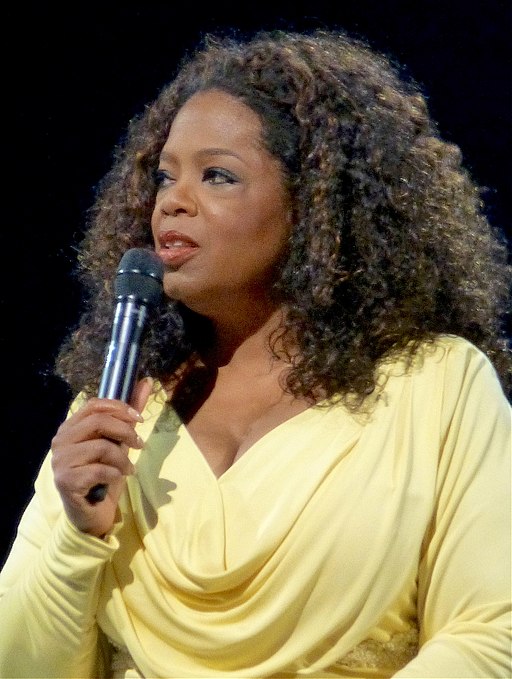
X CloseMedia personality, author, and philanthropist Oprah Winfrey has been deemed among the most influential women in the world by many, including Forbes magazine. For example, some observers have estimated that Barack Obama would not have won the Democratic primary in 2008 without Oprah's endorsement (which they calculate was worth over 1 million votes). Even as an officially non-political figure, Oprah has met with world leaders, founded schools and charity networks, and been awarded the Presidential Medal of Freedom.
X CloseEnglish Professor Dr. Jill Biden served as the second lady of the United States (SLOTUS) from 2009 to 2017 before she became the first lady of the United States (FLOTUS) in 2020. A military mother and grandmother, Dr. Biden launched Joining Forces (a program to provide accessible education and career assistance to U.S. military members and their families) with then first lady Michelle Obama in 2011. As FLOTUS, Dr. Biden continued her work with Joining Forces in addition to lending her influence to a variety of IR projects.
X CloseAnthropologist Dr. Jane Goodall’s non-traditional path to international relations work began in earnest in 1960, when a visit to Tanzania kicked off her landmark 60-year study of chimpanzees. In her time with the chimpanzees, Dr. Goodall was struck by their resemblance to humans in behavior and social structure. She became a staunch advocate not only for their rights, but for those of all animals. Similarly, she has advocated for environmental conservation given its close relationship to the well-being of animals. Having founded the Jane Goodall Institute in 1977, Dr. Goodall has also served on the boards of NGOs (including the Nonhuman Rights Project), and she was named a UN Messenger of Peace in 2002.
X CloseAustralian editor, publisher, and activist Julian Assange founded WikiLeaks in 2006, complicating journalism - and the notion of classified sources - in the 21st century. WikiLeaks - an international non-profit organization - provides an anonymous and communal venue for journalists and whistleblowers to leak information. As a result, WikiLeaks has published otherwise restricted documents pertaining to a variety of global incidents. In creating WikiLeaks, Assange became an incredibly divisive figure: he was both castigated by state authorities as a threat to national and international safety and praised by others as a truth-seeker who has pressured governments to be more transparent.
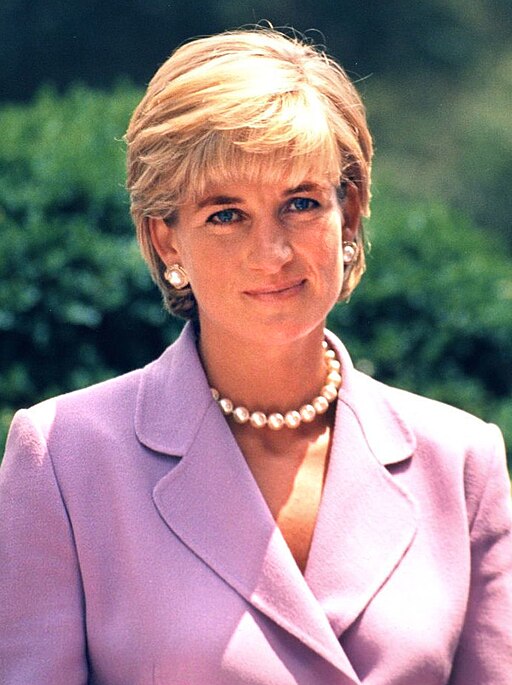
X CloseBorn Diana Frances Spencer, the Princess of Wales used her platform as a member of the British royal family to advance her work as an activist for many causes. Increased awareness surrounding mental illness, the global removal of war debris such as landmines, and increased social acceptance and standards of healthcare for HIV/AIDS patients were among the most important of Princess Diana’s goals. In addition to her financial patronage of many organizations, Princess Diana made many public appearances for her charity work before her death in 1997.
X Close